
A car is a wheeled motor vehicle used for transportation of people rather than goods. They came into global use during the 20th century and developed economies depend on them.


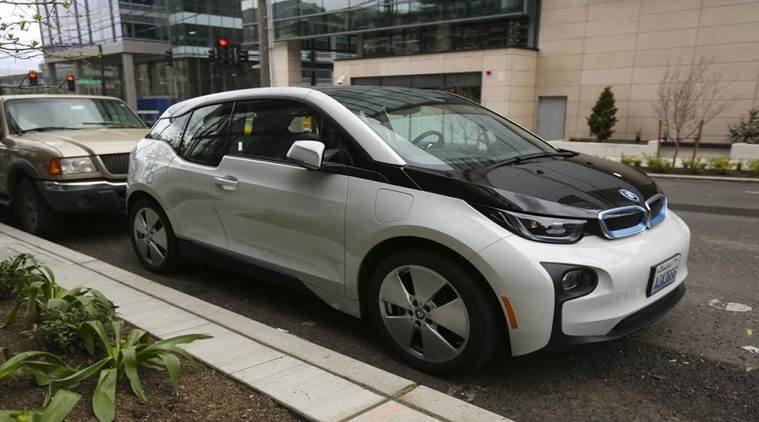
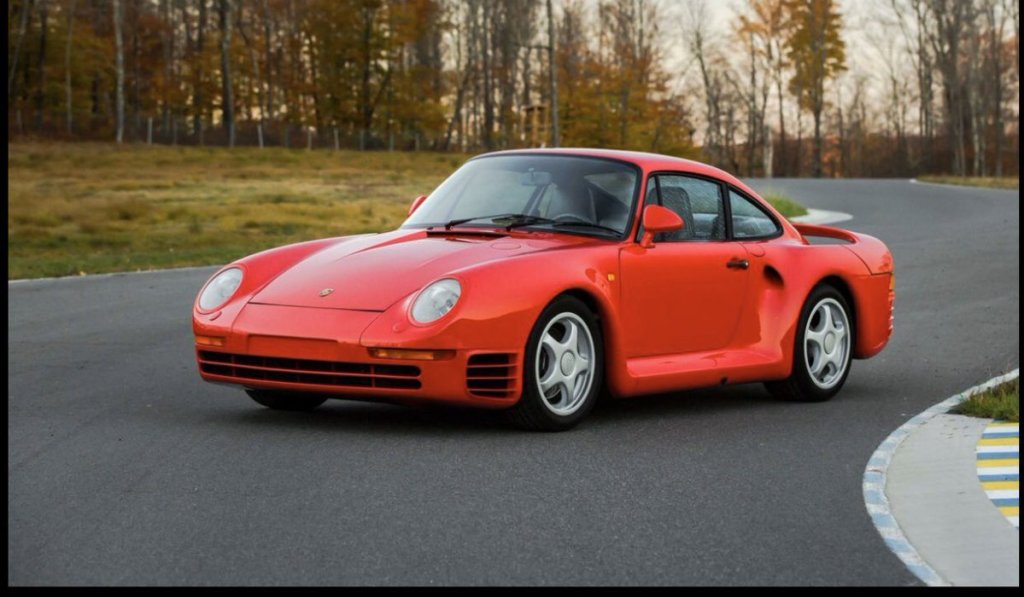
It was invented by Karl Benz.
Fuel source : Diesel, natural gas, Gasoline, electric, hydrogen, solar, vegetable oil.
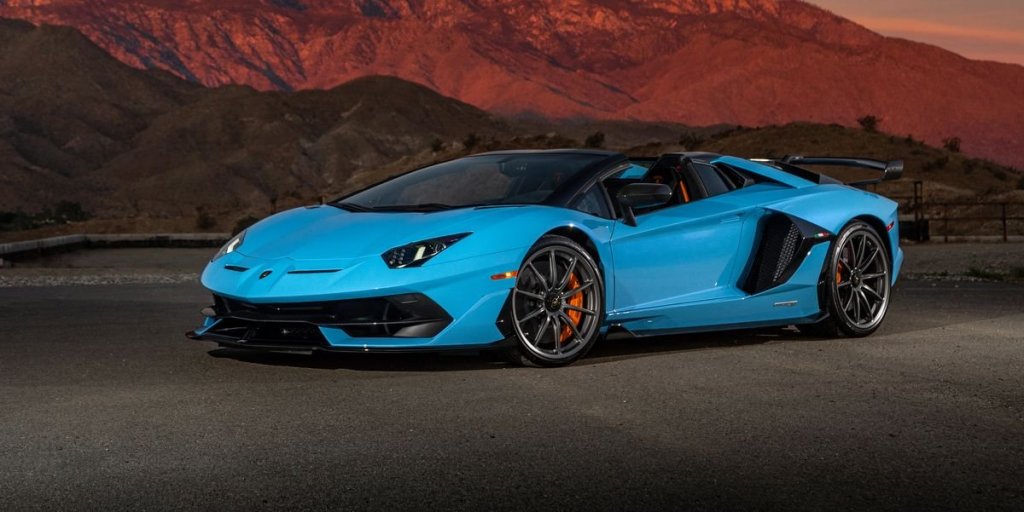
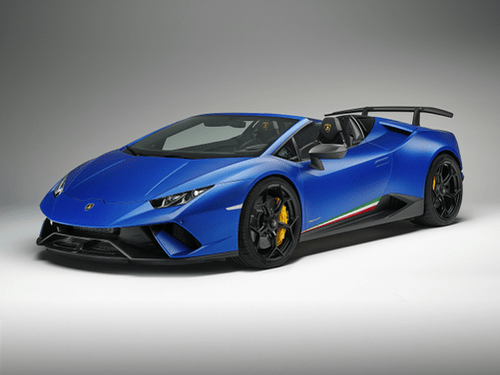

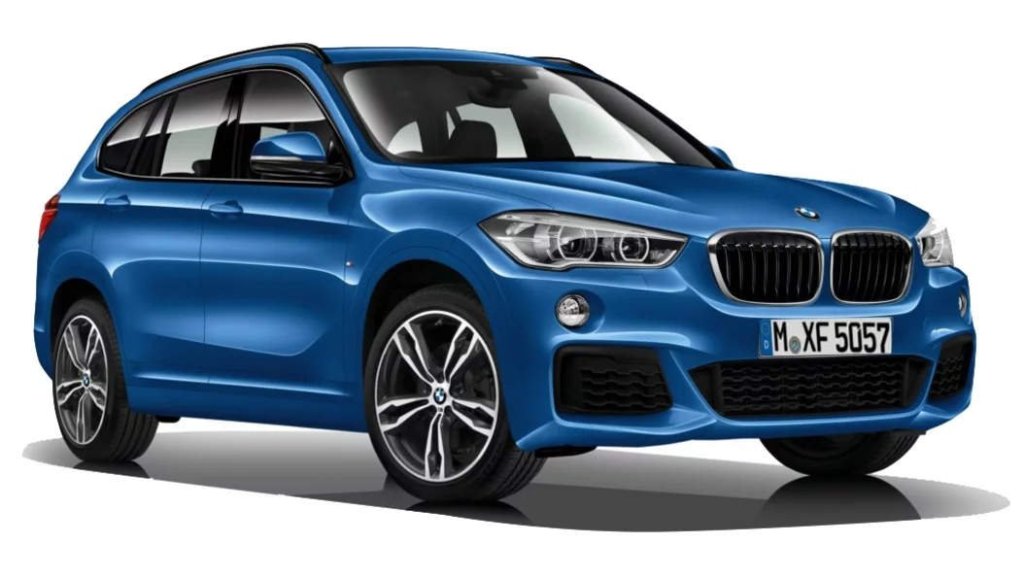
Electric Car Technology
Manage your EV performance with your smartphone
Mobile EV Tune-up Technology
MEVIT is like a system that provides versatile control over a set range of EV functions and features via digital device, like a smartphone. Key control aspects in vehicle performance include max motor torque, (perceived) launch acceleration, (perceived) deceleration, regenerative braking quantity, HVAC energy, max speed capacity and responsiveness.
If the vehicle supports telematic communication like Bluelink or UVO, the smartphone communication with the telematics server to save user settings, which is then communicated to the vehicles telematics unit and implemented. If telematics communication is not available, the smartphone connects directly to the vehicle via Bluetooth communication to apply custom settings. In that case, user settings are communicated by the smartphone to the server and saved.
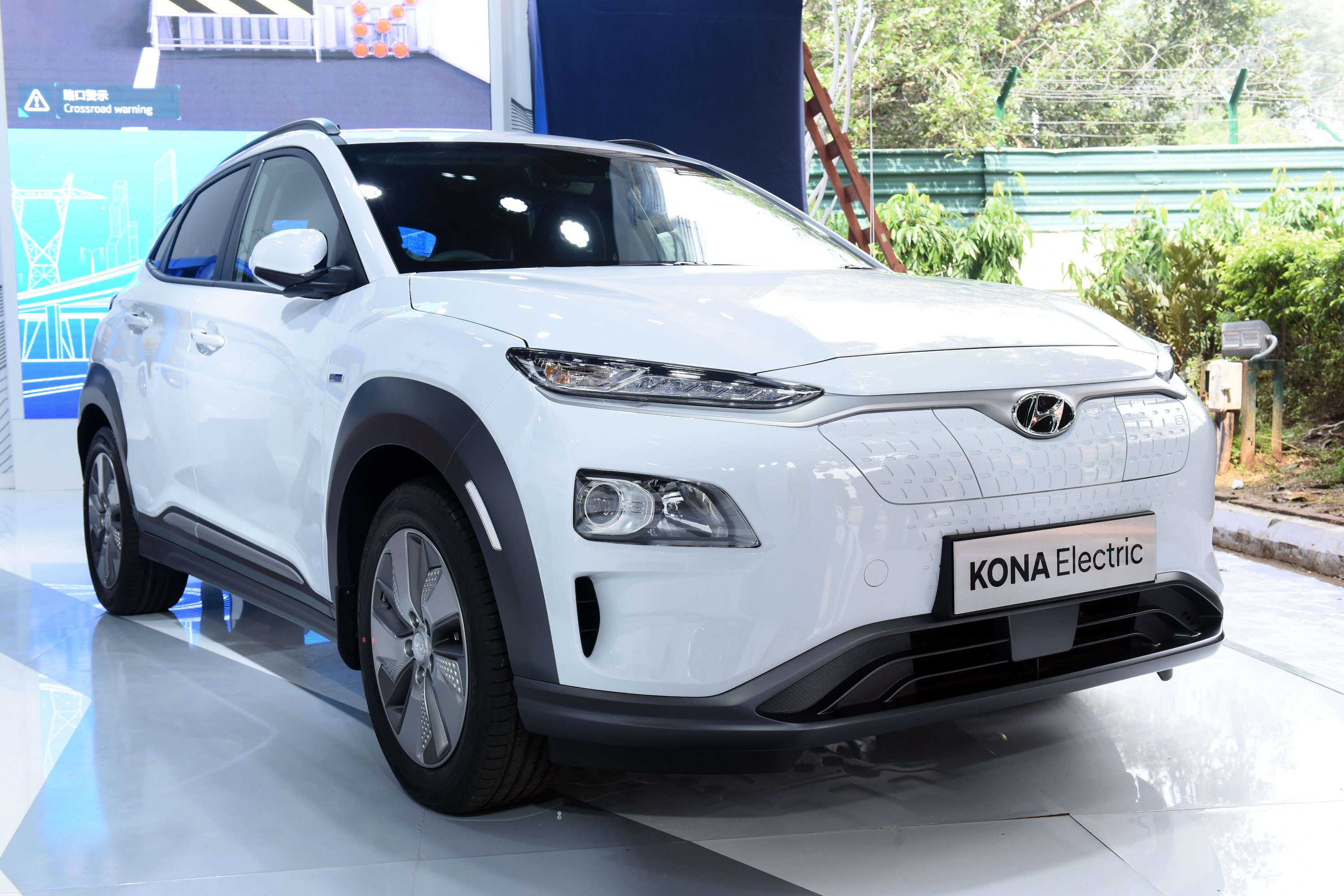
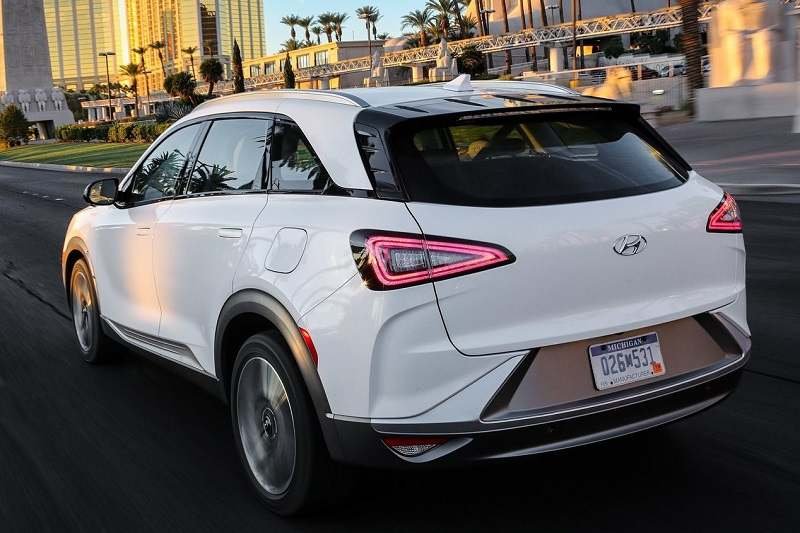
Automobiles are evolving from simple mechanical devices to smart devices. Once MEVTT enters mass production in that climate, it will be much more than a convenience option and help the EV industry flourish.
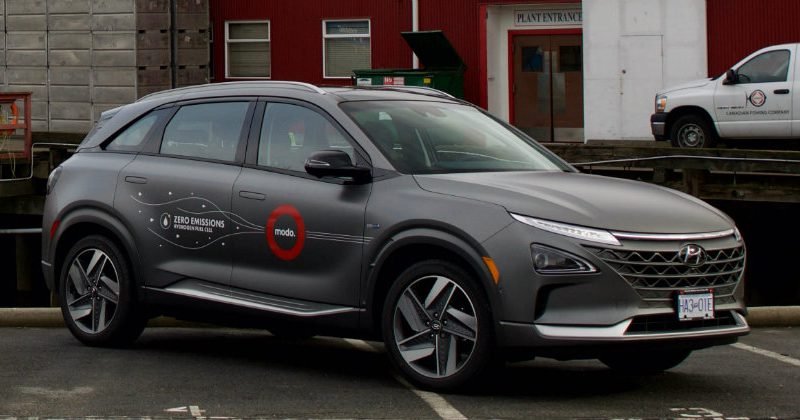
A Fuel cell vehicle or fuel cell electric vehicle is a type of EV which uses a Fuel cell, instead of a battery, or in combination with a battery or super capacitor, to power it’s onboard electric motor.
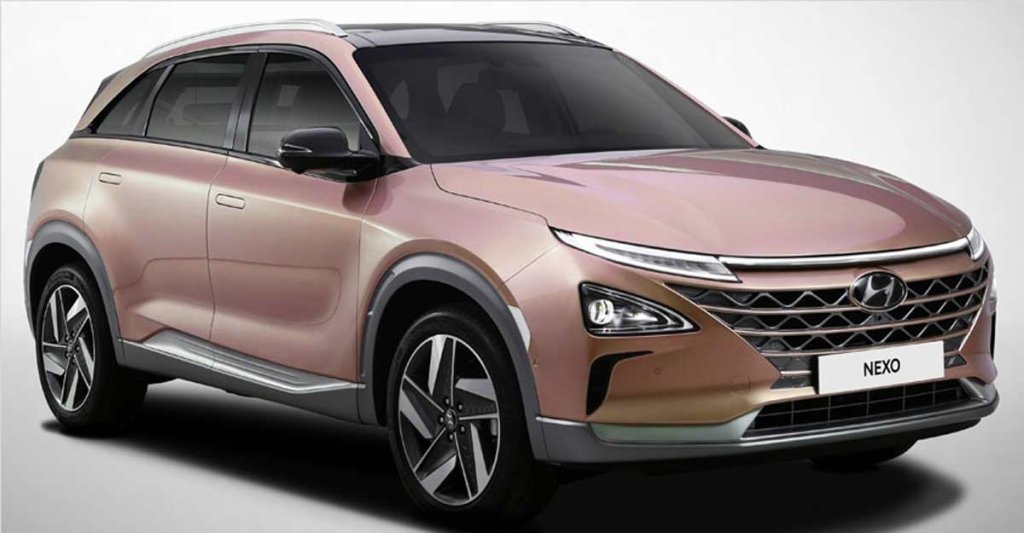
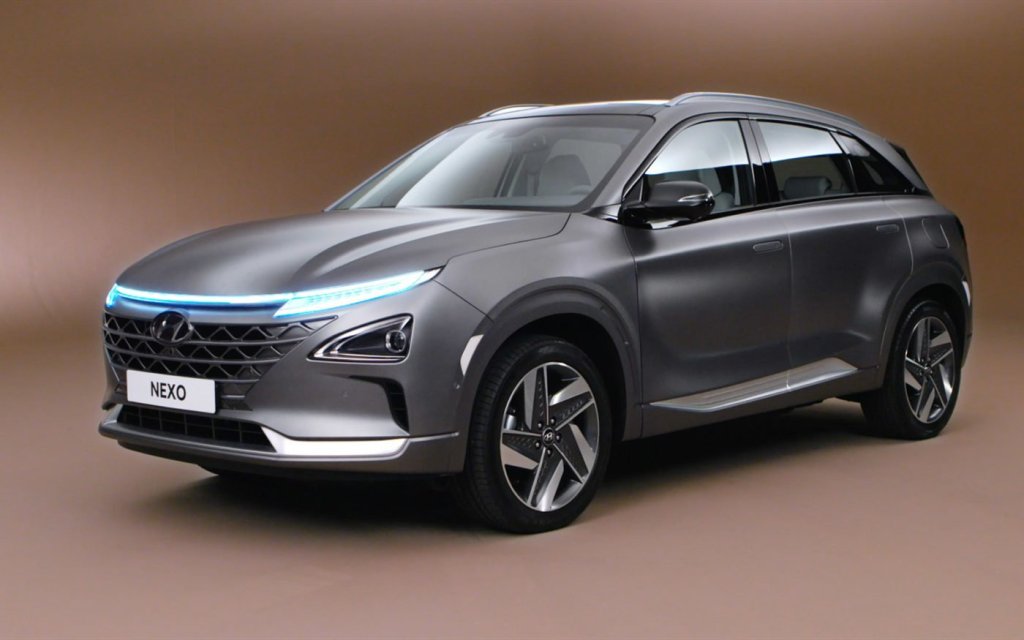
FCEV’s are more than just ecofriendly.
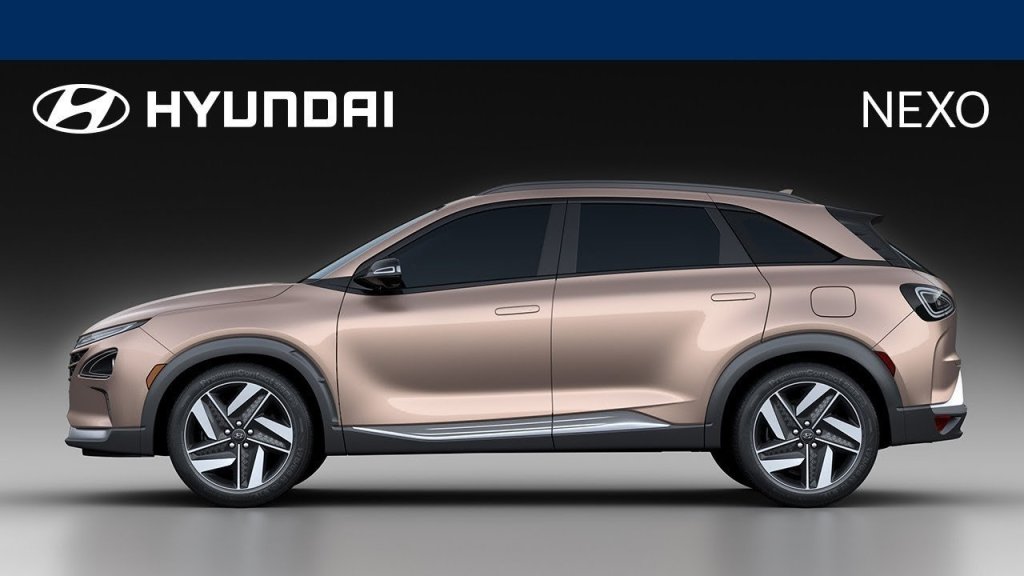
The Nexo’s single charge mileage of up to 609 km is a range greater than even the internal combustion engine vehicles. This is outstanding in comparison to EV’s which are also categorised as eco friendly, as charge times are relatively short. The NEXO’s hydrogen tanks are filled in about 5 minutes. Power performance is also outstanding. The NEXO accelerates from a standstill to 100 km/h in 9.2 seconds.
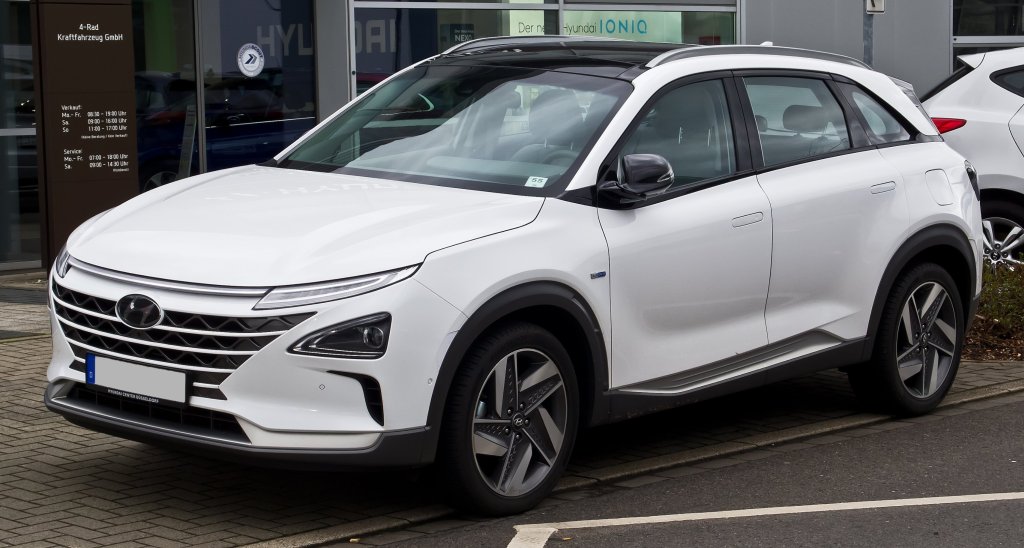
They are economical. The operating cost is significantly better than the combustion engine. As the market matures, hydrogen supply will increase, and prices will fall, and the economic efficiency of the FCEVs will continue to rise.
Future of Self Driving
Cars are becoming smarter , they sense danger and driver’s stress level. The term is called Autonomous cars. Advanced control systems interpret sensory information to identify appropriate navigation paths, as well as obstacles.
There are six levels of vehicle from 0-5. A level 5 vehicle means it does not require the driver’s attention. The vehicle will be free from GPS or navigation systems, able to go anywhere and do anything that a driver can do. Fully Autonomous cars are being tested in several places, but none are yet available to the public.




 healthfirst